
The Essence of Real Deep Tissue Massage- Purpose, Power, and Benefits
When your body craves more than surface-level relief, a Real Deep Tissue Massage in Leicestershire delivers healing where it’s needed the most. This therapeutic technique goes beyond relaxation; it is designed to release chronic muscle tension, break up adhesions, and restore natural movement.

Through slow and deliberate strokes and firm pressure, the deep tissue massage reaches the deeper layers of muscles, fascia, and connective tissue. It helps to ease stiffness, improve circulation, and support long-term recovery. This treatment is ideal for those who carry stress in their shoulders, the back and the neck, or anyone seeking true physical renewal, and combines precision, strength, and intuition.
What is a real deep tissue massage?
The real deep tissue massage is a therapeutic massage technique that targets the deep layers of muscles, connective tissue, and fascia to relieve chronic tension, stiffness, and pain. Unlike a typical relaxation massage, which focuses on surface muscles, deep tissue massage uses slow and firm strokes and precise pressure. It helps release adhesions, knots and tightness that can accumulate from stress, injury, or poor posture.
Why will you take a deep tissue massage?
We will discuss the reasons for taking a deep tissue massage in the following lines.
[1] Relieves chronic muscle pain and tension
A deep tissue massage relieves chronic muscle pain and tension by using slow and firm pressure to reach the deeper layers of muscle and connective tissue. This process breaks down knots, adhesions, and scar tissue that cause pain. It improves blood circulation to bring oxygen and nutrients to muscles and promotes relaxation. It results in increased flexibility and reduced stiffness.
[2] Improves mobility and flexibility
A deep issue massage improves mobility and flexibility by breaking down adhesions and scar tissue. It releases chronic muscle tension and improves circulation to the deeper layer of the muscle and connective tissues. With slow and firm strokes, the deep tissue massage lengthens muscle fibres, reduces stiffness and increases the range of motion in joints.
[3] Supports injury recovery
A deep tissue massage supports injury recovery by improving circulation, which delivers oxygen and nutrients to injured areas and reduces inflammation. It also breaks down scar tissue and muscle adhesions, which helps to increase flexibility, restore range of motion and release chronic tension. It can be used alongside physiotherapy to help with long-term recovery and address soft tissue complaints.
[4] Reduces stress and fatigue
A deep tissue massage reduces stress and fatigue by releasing chronic muscle tension, improving circulation, and calming the nervous system. It lowers the stress hormone cortisol while increasing feel-good hormones like endorphins, serotonin, and dopamine. It promotes physical relaxation and a sense of calmness. By improving blood flow, it delivers more oxygen to the body and helps flush out metabolic waste, which can cause fatigue.
[5] Corrects posture problems
A deep tissue massage corrects posture problems by loosening tight muscles, releasing knots, and breaking up scar tissue that pulls the body out of alignment. It improves muscle flexibility and joint mobility, allowing the spine to return to its natural position. It reduces pain and restores balance by increasing shortened muscles.
Features of a real deep tissue massage:-
We will discuss the features of a real deep tissue massage in the following lines.
[1] Targeted Deep Pressure
The targeted deep pressure involves slow, firm, and focused pressure applied to the deeper layers of muscles and connective tissue. It helps release chronic tension, break down scar tissue, and relieve pain. It is achieved using techniques like sustained pressure with fingers, thumbs, forearms or elbows in specific areas. This massage often targets muscle knots, chronic aches, and areas of tension like stiff necks or lower back tightness.
[2] Slow, Intentional Strokes
Slow and intentional strokes are used to target deeper muscle layers and connective tissues. This technique allows therapists to apply sustained and deep pressure to release chronic tension and break down adhesions or knots. It improves muscle flexibility and range of motion. The slow and deep movements help to break down muscle knots or adhesions and scar tissue, which can contribute to pain and stiffness.
[3] Pain Relief and Muscle Release
The Real Deep Tissue Massage in Leicestershire targets chronic tension and deep-seated knots in muscles and connective tissue. Unlike lighter massage techniques, it applies firm and precise pressure to areas of tightness, helping to release adhesions, ease stiffness, and restore normal muscle tension. This process not only reduces localized pain caused by stress, injury, or postural strain but also improves the overall muscle performance and flexibility. It ensures that you recover from physical pain efficiently.
[4] Increased Flexibility and Mobility
The real deep tissue massage works to break down scar tissue and adhesions that cause muscle stiffness and restricted movement. By targeting deep-seated tension, the massage loosens tight muscles and fascia. It improves the range of motions in joints and helps prevent future injections by promoting better structural alignment.
Conclusion:-
You have done the work today- your body has released, your muscles have softened, and your energy has shifted. Move forward with confidence, knowing you have given yourself the reset you deserve.
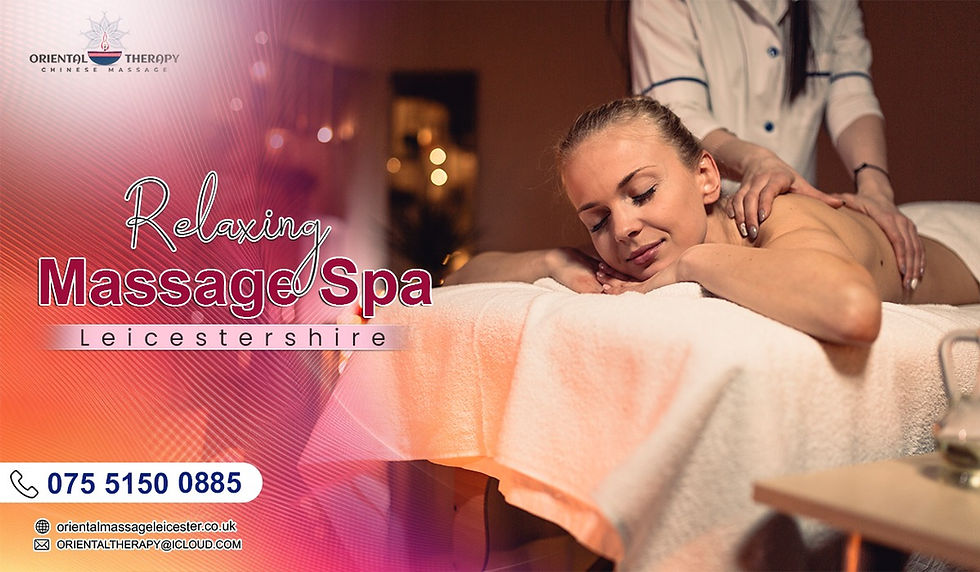
At Oriental Therapy Chinese Massage, we also provide a relaxing massage spa in Leicestershire. We provide a soothing space to promote physical relaxation, mental calm, and emotional balance through therapeutic touch, ambience, and holistic care. Our relaxing massage experts not just provide the massage, but provide an entire experience of unwinding and restoring peace to both body and mind. We provide smooth and flowing strokes to increase circulation and ease tension.


Comments